Business Administration Support | tu3659D
Support foundational business administration and management activities
In partnership with CIM | Chartered Managers Canada, King’s offers a “recognition of prior learning” pathway for the full CIM | Chartered Managers Canada learning standard.
This is an opportunity for liberal arts graduates who use managerial skills in their work and community lives to have their skills assessed and validated by industry professionals and work towards a professional designation.
Each unit is built from real workplace or civic/community experience—you don’t take a course, you show your work and get recognized for it. You can choose to challenge some or all of the training items and units. If you complete the four core units and an additional four elective units, you will have completed the education requirement of the Certified in Management (C.I.M.) and Chartered Manager designations (C.Mgr).*
Explore the learning standard. Participation can begin as soon as you’re ready.
King’s acknowledges the support of the Province of Nova Scotia through the Department of Labour, Skills and Immigration.
*This recognition-of-prior-learning initiative is free to participants and the digital badges earned will never expire. However, should a participant subsequently want to join CIM | Chartered Managers Canada as Certified in Management or as a Chartered Manager, those professional designations require an annual fee.
How Recognition Works |
|
|---|---|
 |
Do the workThrough your job, volunteer role or civic/community involvement, you already do the kind of work each Training Item describes. |
 |
Reflect and get it witnessedFor each Training Item, write a short STARR reflection (Situation, Task, Action, Result, Relevance) and have someone who saw your contribution confirm it happened. |
 |
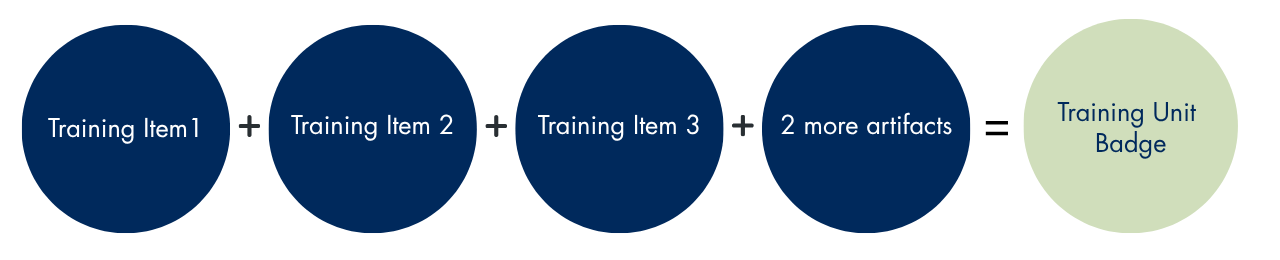
Pull it togetherOnce all three Training Items in a unit are done, combine the work into two further artifacts showing you can operate across the whole unit, each with a signed declaration that it’s genuinely your own work. |
Support foundational business administration and management activities
Communicate management issues, arguments, outcomes and negotiated decisions to stakeholders
Support financial management, analysis, budgeting, forecasting, financing and resource decisions
Support business strategy development, implementation, policy alignment and organizational response
Level: entry-level/operational management | Setting: workplace or civic/community organization
This unit is about understanding how organizations are put together and how they run day to day. You’ll learn to make sense of organizational structure and reporting lines, describe how work actually gets done (the operational processes behind delivering a product, service or activity), and use everyday management information—reports, notes, dashboards—to spot issues and support better decisions.
This Training Unit is made up of three Training Items, described below. For each one, you provide a short piece of evidence from real workplace or civic/community activity, along with a brief written reflection (what happened, why it mattered and what came of it) and confirmation from someone who witnessed your contribution. Once all three Training Items are complete, you bring the work together into two additional Training-Unit-level artifacts that draw on all three.
Training Item 1: Interpret organizational structures and management functions
TI0034D | Recognizing how an organization or group is structured, what the core management functions are and how structure shapes accountability and coordination.
| You may already have this if you’ve created …
Workplace setting: a workplace note, briefing, report, org chart explanation, meeting summary or role summary that identifies structure, roles, responsibilities or management functions Civic/community setting: a community governance note, committee structure summary, volunteer coordination note or association briefing that identifies structure, roles or coordination relationships |
By completing this Training Item, you’ll be able to:
Training Item 2: Explain operational processes and value delivery
TI3084D | Understanding operational processes, workflow, and how goods or services actually get delivered—and how people, resources and information combine to create value.
| You may already have this if you’ve created …
Workplace setting: a workplace process map, workflow note, standard operating summary or process improvement note showing how activity moves through a process Civic/community setting: a community event plan, service delivery map, volunteer workflow or logistics note showing how goods, services, people or resources are coordinated |
By completing this Training Item, you’ll be able to:
Training Item 3: Connect management information to issues and decisions
TI8579D | Using everyday management information—records, reports, observations—to identify issues, support decisions and improve coordination.
| You may already have this if you’ve created …
Workplace setting: a workplace management information summary, decision note, dashboard interpretation or issue briefing that links information to an issue or decision Civic/community setting: a community information summary, event decision note, committee update or coordination report that links information to a civic/community issue or decision |
By completing this Training Item, you’ll be able to:
Training Unit Artifacts (2 required)
In addition to the three Training Items above, earning this Training Unit requires two further artifacts that consolidate what you’ve done across all three items.
Management Report
A written report that walks through the organization’s structure, describes one operational process, identifies the management information used, names one issue or decision that needs attention and recommends an action or next step.
Project or Coordination Documentation
A working document that shows how stakeholders, resources, tasks and information are organized and tracked—for example a project brief, workflow map, task tracker or issue log—including at least one coordination issue and the next step taken.
How your evidence is confirmed
Each Training Item’s evidence is accompanied by a short, structured reflection and a confirmation from a workplace or civic/community witness who can speak to your contribution. The two Training Unit artifacts also include a declaration confirming the work is genuinely yours, plus, where relevant, confirmation from your host organization.
Level: entry-level/operational management | Setting: workplace or civic/community organization
This unit is about communicating clearly as a manager: writing for a specific audience and purpose, building a case with evidence and negotiating toward workable outcomes.
This Training Unit is made up of three Training Items, described below. For each one, you provide a short piece of evidence from real workplace or civic/community activity, along with a brief written reflection (what happened, why it mattered, and what came of it) and confirmation from someone who witnessed your contribution. Once all three Training Items are complete, you bring the work together into two additional Training Unit artifacts that draw on all three.
Training Item 1: Prepare clear management communications
TI6998D | Planning, drafting and revising a management communication—an email, memo or briefing note—for a defined purpose
| You may already have this if you have created …
Workplace: a workplace email, memo, briefing note, meeting summary or stakeholder update prepared to support a management communication need Civic/Community: a community governance note, committee structure summary, volunteer coordination note, association briefing that identifies structure, roles or coordination relationships |
By completing this Training Item, you’ll be able to:
Training Item 2: Build supported arguments for management decisions
TI0015D | Separating a problem from the desired outcome, organizing evidence and building a supported argument to help stakeholders decide or act
| You may already have this if you have created …
Workplace setting: a workplace briefing note, issue memo, recommendation report or decision note that identifies a problem, desired outcome, evidence, rationale and recommended action Civic/community setting: a community briefing note, issue memo or committee recommendation that identifies a problem, desired outcome, evidence, rationale and recommended action |
By completing this Training Item, you’ll be able to:
Training Item 3: Negotiate strategically toward desired outcomes
TI5301D | Identifying interests, options, constraints and trade-offs, and communicating toward an agreed or proposed next step
| You may already have this if you’ve created …
Workplace setting: a workplace negotiation note, options log, meeting record or agreement summary showing interests, constraints, options, trade-offs and agreed or proposed next steps Civic/community setting: a community negotiation note, committee options log or agreement summary showing interests, constraints, options, trade-offs and agreed or proposed next steps |
By completing this Training Item, you’ll be able to:
Training Unit Artifacts (2 required)
In addition to the three Training Items above, earning this Training Unit requires two further artifacts that consolidate what you’ve done across all three items.
Management Communication
A written communication that defines a management issue, names the audience, states the desired outcome, presents a supported argument and recommends a decision, response or next step.
Presentation or Slide Deck
A stakeholder-facing presentation that uses a supported argument to advance a proposed decision, negotiated outcome or stakeholder alignment process.
How your evidence is confirmed
Each Training Item’s evidence is accompanied by a short, structured reflection and a confirmation from a workplace or civic/community witness who can speak to your contribution. The two Training Unit artifacts also include a declaration confirming the work is genuinely yours, plus, where relevant, confirmation from your host organization.
Level: entry-level/operational management | Setting: workplace or civic/community organization
This unit is about understanding financial information well enough to help plan a budget, build a forecast and weigh financing or resourcing options—turning numbers into decisions.
This Training Unit is made up of three Training Items, described below. For each one, you provide a short piece of evidence from real workplace or civic/community activity, along with a brief written reflection (what happened, why it mattered and what came of it) and confirmation from someone who witnessed your contribution. Once all three Training Items are complete, you bring the work together into two additional Training Unit artifacts that draw on all three.
Training Item 1: Interpret financial planning and ratio information
TI5292D | Understanding financial planning information, indicators and ratios well enough to interpret them for management use
| You may already have this if you’ve created …
Workplace setting: a workplace financial planning note, ratio interpretation memo, financial indicator summary or dashboard interpretation that connects financial information to a management question Civic/community setting: a community finance note, budget indicator summary, funding comparison or treasurer briefing that connects financial information to a governance or coordination question |
By completing this Training Item, you’ll be able to:
Training Item 2: Prepare budgeting and forecasting information
TI2027D | Preparing and organizing budget, forecast and cost information—using appropriate assumptions and source data—for management review
| You may already have this if you’ve created …
Workplace setting: a workplace budget worksheet, forecast file, cost estimate, budget tracker or variance note that supports budgeting or forecasting Civic/community setting: a community budget worksheet, event forecast, cost estimate or grant budget file that supports budgeting or forecasting |
By completing this Training Item, you’ll be able to:
Training Item 3: Compare financing and capital/resource considerations
TI8988D | Weighing cost, risk and affordability to compare financing or resourcing options and support a responsible recommendation
| You may already have this if you’ve created …
Workplace setting: a workplace financing comparison note, capital/resource decision memo, cost-risk summary or business case summary that compares financial options or implications Civic/community setting: a community financing comparison note, funding option memo, cost-risk summary or grant/funding decision note that compares financial options or implications |
By completing this Training Item, you’ll be able to:
Training Unit Artifacts (2 required)
In addition to the three Training Items above, earning this Training Unit requires two further artifacts that consolidate what you’ve done across all three items.
Financial Working Documentation
Structured working documents—such as a budget, forecast or ratio worksheet—that prepare or organize financial information for review.
Financial Management Report
A report that interprets financial planning, budgeting, forecasting, ratio or financing information and presents a supported conclusion or recommendation.
How your evidence is confirmed
Each Training Item’s evidence is accompanied by a short, structured reflection and a confirmation from a workplace or civic/community witness who can speak to your contribution. The two Training Unit artifacts also include a declaration confirming the work is genuinely yours, plus, where relevant, confirmation from your host organization.
Level: entry-level/operational management | Setting: workplace or civic/community organization
This unit is about understanding financial information well enough to help plan a budget, build a forecast and weigh financing or resourcing options—turning numbers into decisions.
This Training Unit is made up of three Training Items, described below. For each one, you provide a short piece of evidence from real workplace or civic/community activity, along with a brief written reflection (what happened, why it mattered and what came of it) and confirmation from someone who witnessed your contribution. Once all three Training Items are complete, you bring the work together into two additional Training Unit artifacts that draw on all three.
Training Item 1: Organize strategic information and planning priorities
TI9449D | Identifying strategic priorities and organizing the information behind a plan, policy or initiative
| You may already have this if you’ve created …
Workplace setting: a workplace strategy note, planning summary, strategic priority memo or business plan section that organizes strategic information and planning priorities Civic/community setting: a community strategy note, board planning summary, strategic priority memo or initiative plan section that organizes strategic information and planning priorities |
By completing this Training Item, you’ll be able to:
Training Item 2: Support strategy and policy implementation
TI5207D | Translating a strategic priority, policy or initiative into implementation requirements, action pathways, roles and follow-up
| You may already have this if you’ve created …
Workplace setting: a workplace implementation plan, policy action register, strategic initiative tracker or role responsibility matrix supporting a strategy, policy or initiative Civic/community setting: a community implementation plan, board action register, initiative tracker or role responsibility matrix supporting a strategy, policy or initiative |
By completing this Training Item, you’ll be able to:
Training Item 3: Connect external trends to strategic response
TI5148D | Recognizing external trends, societal shifts and policy issues, and connecting them to a strategic response
| You may already have this if you’ve created …
Workplace setting: a workplace environmental scan, trend briefing, strategic response memo or policy implication note that connects external trends to strategic response Civic/community setting: a community environmental scan, trend briefing, governance response memo or policy implication note that connects external trends to strategic response |
By completing this Training Item, you’ll be able to:
Training Unit Artifacts (2 required)
In addition to the three Training Items above, earning this Training Unit requires two further artifacts that consolidate what you’ve done across all three items.
Strategy or Implementation Documentation
Structured planning documentation that translates a strategic priority or policy issue into organized, trackable action.
Strategic Analysis or Response Report
A report that interprets strategic information, external trends or policy implications, and presents a supported strategic response.
How your evidence is confirmed
Each Training Item’s evidence is accompanied by a short, structured reflection and a confirmation from a workplace or civic/community witness who can speak to your contribution. The two Training-Unit-level artifacts also include a declaration confirming the work is genuinely yours, plus, where relevant, confirmation from your host organization.
Support responsible management action by identifying legal, regulatory, contractual, risk and governance implications
Support internal planning, monitoring, control and resource decisions by preparing and interpreting managerial accounting information
Support accountability, governance review and stakeholder understanding by interpreting financial accounting information
Support effective people, team, culture, motivation and organizational behaviour practices
Support workforce planning, staffing, performance management, HR compliance awareness and labour-management cooperation
Support marketing planning, stakeholder engagement, and resource-prioritized implementation using marketing process and marketing mix concepts
Support management decisions by interpreting economic conditions, market factors, and resource implications
Support project initiation and planning using charter, scope, schedule, cost, and stakeholder-value documentation
Support operations and supply chain planning, quality monitoring, capacity coordination, logistics and continuous improvement
Level: entry-level/operational management | Setting: workplace or civic/community organization
This unit is about recognizing—not practicing law—when a situation carries legal, regulatory, contractual or governance implications a manager needs to flag, document or escalate appropriately. Entry-level managers aren’t expected to give legal advice, but they do need to know when to raise a hand.
This Training Unit is made up of three Training Items, described below. For each one, you provide a short piece of evidence from a real workplace or civic/community activity, along with a brief written reflection (what happened, why it mattered and what came of it) and confirmation from someone who witnessed your contribution. Once all three Training Items are complete, you bring the work together into two additional Training-Unit-level artifacts that draw on all three.
Training Item 1: Identify legal and compliance responsibilities in management contexts
TI1508D | Recognizing legal, regulatory, policy and governance responsibilities that may affect management activity
| You may already have this if you’ve created …
Workplace setting: a workplace compliance note, policy review memo, legal issue briefing or escalation summary identifying a legal, regulatory, policy, compliance or governance responsibility Civic/community setting: a civic/community compliance note, board policy review memo, governance briefing or escalation summary identifying a legal, regulatory, policy, compliance or governance responsibility |
By completing this Training Item, you’ll be able to:
Training Item 2: Recognize contractual, liability and risk implications
TI9727D | Recognizing contractual, liability, risk and related implications before management action proceeds
| You may already have this if you’ve created …
Workplace setting: a workplace case note, incident scenario analysis, contract issue summary or risk response case that identifies implications and responsible next steps Civic/community setting: a civic/community case note, event incident scenario analysis, volunteer issue summary or governance risk case that identifies implications and responsible next steps |
By completing this Training Item, you’ll be able to:
Training Item 3: Communicate legal or governance concerns responsibly
TI4302D | Communicating a legal, compliance or governance concern to the right people clearly and within appropriate boundaries
| You may already have this if you’ve created …
Workplace setting: a workplace legal/compliance briefing, risk communication, governance memo or escalation note that identifies a concern and communicates responsible action or referral boundaries Civic/community setting: a civic/community legal/compliance briefing, governance memo or board escalation note that identifies a concern and communicates responsible action or referral boundaries |
By completing this Training Item, you’ll be able to:
Training Unit Artifacts (2 required)
In addition to the three Training Items above, earning this Training Unit requires two further artifacts that consolidate what you’ve done across all three items.
Formal Case Study
A legal, compliance, governance, contract, liability or risk case analysis that identifies an issue, explains the implications, considers the consequences and summarizes responsible options or escalation points.
Management Communication
A responsible management communication that identifies a legal, compliance, governance or risk concern and clearly communicates the issue, rationale, implications, boundaries and recommended next step.
How your evidence is confirmed
Each Training Item’s evidence is accompanied by a short, structured reflection and a confirmation from a workplace or civic/community witness who can speak to your contribution. The two Training Unit artifacts also include a declaration confirming the work is genuinely yours, plus, where relevant, confirmation from your host organization.
Level: entry-level/operational management | Setting: workplace or civic/community organization
This unit is about using internal accounting information—costs, budgets, variances—to help with day-to-day planning, monitoring and resource decisions inside an organization. It’s distinct from external financial reporting: the focus here is internal decision support.
This Training Unit is made up of three Training Items, described below. For each one, you provide a short piece of evidence from a real workplace or civic/community activity, along with a brief written reflection (what happened, why it mattered and what came of it) and confirmation from someone who witnessed your contribution. Once all three Training Items are complete, you bring the work together into two additional Training-Unit-level artifacts that draw on all three.
Training Item 1: Interpret cost and internal management accounting information
TI5863D | Interpreting internal accounting information, cost behaviour and operational information to support planning and monitoring
| You may already have this if you’ve created …
Workplace setting: a workplace cost summary, internal accounting note, management report excerpt or dashboard interpretation that connects internal accounting information to a planning, monitoring or resource question Civic/community setting: a civic/community cost summary, event finance note, treasurer briefing or budget monitoring note that connects internal accounting information to a planning, monitoring or resource question |
By completing this Training Item, you’ll be able to:
Training Item 2: Prepare budget and variance information for management use
TI2502D | Preparing budget, variance and internal reporting information—grounded in source records and assumptions—for management review
| You may already have this if you’ve created …
Workplace setting: a workplace budget worksheet, variance note, cost tracker or budget monitoring file that supports budget or variance review Civic/community setting: a civic/community budget worksheet, event budget tracker or variance note that supports budget or variance review |
By completing this Training Item, you’ll be able to:
Training Item 3: Support internal management decisions using accounting information
TI1959D | Connecting internal accounting information to a real management decision and its wider consequences
| You may already have this if you’ve created …
Workplace setting: a workplace decision-support memo, cost implication report, internal accounting briefing or budget impact note using accounting information to support an internal decision Civic/community setting: civic/community decision-support memo, event cost implication report, treasurer briefing or budget impact note using accounting information to support an internal decision |
By completing this Training Item, you’ll be able to:
Training Unit Artifacts (2 required)
In addition to the three Training Items above, earning this Training Unit requires two further artifacts that consolidate what you’ve done across all three items.
Managerial Accounting Working Documentation
Internal working documents—budget worksheets, variance trackers, cost analyses—that prepare and organize accounting information for planning, monitoring and control.
Managerial Accounting Decision-Support Report
A report that interprets internal cost, budget, variance or resource-use information to support planning, monitoring, control or an operational decision.
How your evidence is confirmed
Each Training Item’s evidence is accompanied by a short, structured reflection and a confirmation from a workplace or civic/community witness who can speak to your contribution. The two Training Unit artifacts also include a declaration confirming the work is genuinely yours, plus, where relevant, confirmation from your host organization.
Level: entry-level/operational management | Setting: workplace or civic/community organization
This unit is about reading and explaining financial statements and accounting records—not preparing them from scratch—so that others can trust and understand an organization’s financial position and performance. It’s distinct from managerial accounting: the focus here is external reporting and accountability rather than internal cost control.
This Training Unit is made up of three Training Items, described below. For each one, you provide a short piece of evidence from a real workplace or civic/community activity, along with a brief written reflection (what happened, why it mattered and what came of it) and confirmation from someone who witnessed your contribution. Once all three Training Items are complete, you bring the work together into two additional Training Unit artifacts that draw on all three.
Training Item 1: Interpret financial statements and accounting records
TI9042D | Identifying and interpreting financial statements, accounting records and source information that supports accountability and governance review
| You may already have this if you’ve created …
Workplace setting: a workplace financial statement interpretation note, accounting record summary, financial report briefing or reconciliation explanation that connects financial accounting information to a reporting or accountability question Civic/community setting: a civic/community financial statement interpretation note, treasurer report summary, grant reporting note or board finance briefing that connects financial accounting information to a reporting or accountability question |
By completing this Training Item, you’ll be able to:
Training Item 2: Prepare financial accounting summaries for review
TI3792D | Preparing clear, traceable financial accounting summaries, schedules and reconciliations for review.
| You may already have this if you’ve created …
Workplace setting: a workplace financial accounting summary, reconciliation worksheet, financial reporting schedule or account analysis file prepared for management or governance review Civic/community setting: a civic/community financial accounting summary, treasurer worksheet, grant reporting schedule or event reconciliation prepared for governance or stakeholder review |
By completing this Training Item, you’ll be able to:
Training Item 3: Communicate financial accounting implications for accountability and review
TI9983D | Communicating the meaning, limitations and implications of financial accounting information to management, governance or stakeholder audiences
| You may already have this if you’ve created …
Workplace setting: a workplace financial accounting briefing, stakeholder memo, management review note or reporting implication summary Civic/community setting: a civic/community financial accounting briefing, board memo, treasurer report or governance review note |
By completing this Training Item, you’ll be able to:
Training Unit Artifacts (2 required)
In addition to the three Training Items above, earning this Training Unit requires two further artifacts that consolidate what you’ve done across all three items.
Financial Accounting Working Documentation
Structured working documents—source-record summaries, reconciliations, reporting schedules—that organize financial accounting information for review.
Financial Accounting Interpretation Report
A report or briefing that explains financial statement information, accounting records and accountability implications to a management, governance or stakeholder audience.
How your evidence is confirmed
Each Training Item’s evidence is accompanied by a short, structured reflection and a confirmation from a workplace or civic/community witness who can speak to your contribution. The two Training Unit artifacts also include a declaration confirming the work is genuinely yours, plus, where relevant, confirmation from your host organization.
Level: entry-level/operational management | Setting: workplace or civic/community organization
This unit is about understanding how people and teams actually behave day to day—reading team dynamics, motivation, communication patterns and conflict—and turning what you observe into constructive action that supports a positive, cooperative work environment.
This Training Unit is made up of three Training Items, described below. For each one, you provide a short piece of evidence from a real workplace or civic/community activity, along with a brief written reflection (what happened, why it mattered and what came of it) and confirmation from someone who witnessed your contribution. Once all three Training Items are complete, you bring the work together into two additional Training Unit artifacts that draw on all three.
Training Item 1: Interpret individual and team behaviour in contribution contexts
TI2119D | Recognizing individual behaviour, team dynamics, role expectations, culture and communication patterns that affect how a team performs.
| You may already have this if you’ve created …
Workplace setting: a workplace observation log, team participation log, role-clarity reflection log, meeting observation entry or culture observation entry that records people, team, role or culture factors affecting contribution Civic/community setting: a civic/community observation log, volunteer participation log, committee reflection entry or event team observation that records people, team, role or culture factors affecting contribution |
By completing this Training Item, you’ll be able to:
Training Item 2: Support motivation, cooperation and team performance
TI7221D | Supporting the conditions—motivation, cooperation, role clarity, participation—that help individuals and teams perform well together
| You may already have this if you’ve created …
Workplace setting: a workplace team action plan, role clarity tracker, performance support plan, meeting action register or feedback tracker supporting motivation, clarity, cooperation or team performance Civic/community setting: a civic/community team action plan, volunteer coordination plan, role clarity tracker or committee action register supporting motivation, clarity, cooperation or shared responsibility |
By completing this Training Item, you’ll be able to:
Training Item 3: Communicate and coordinate through conflict or group issues
TI7398D | Communicating respectfully and coordinating next steps when conflict, disagreement or group issues affect a team
| You may already have this if you’ve created …
Workplace setting: a workplace conflict reflection log, stakeholder interaction log, team communication log or issue resolution log that records interests, concerns, options and coordinated next steps Civic/community setting: a civic/community conflict reflection log, volunteer interaction log, committee communication log or issue-resolution log that records interests, concerns, options and coordinated next steps |
By completing this Training Item, you’ll be able to:
Training Unit level artifacts (2 required)
In addition to the three Training Items above, earning this Training Unit requires two further artifacts that consolidate what you’ve done across all three items.
Practice Journal or Logbook
A running log of situated observations and reflections—people, team, culture, cooperation, motivation or conflict situations you encountered and how you responded—that together show a pattern of organizational behaviour practice over time.
Project or Coordination Documentation
Structured documentation showing how role expectations, communication, stakeholders, tasks, and next steps were coordinated to support people, team, cooperation, conflict or performance issues.
How your evidence is confirmed
Each Training Item’s evidence is accompanied by a short, structured reflection and a confirmation from a workplace or civic/community witness who can speak to your contribution. The two Training-Unit-level artifacts also include a declaration confirming the work is genuinely yours, plus, where relevant, confirmation from your host organization.
Level: entry-level/operational management | Setting: workplace or civic/community organization
This unit is about the HR-adjacent work most entry-level managers do without being HR specialists: noticing workforce and staffing needs, supporting performance and development conversations, and knowing when and how to raise compliance, labour-relations, or people-management concerns—while staying within appropriate boundaries.
This Training Unit is made up of three Training Items, described below. For each one, you provide a short piece of evidence from real workplace or civic/community activity, along with a brief written reflection (what happened, why it mattered and what came of it) and confirmation from someone who witnessed your contribution. Once all three Training Items are complete, you bring the work together into two additional Training Unit artifacts that draw on all three.
Training Item 1: Identify workforce, staffing and HR compliance needs
TI6093D | Recognizing workforce needs, staffing gaps, role expectations and compliance considerations that may call for management attention.
| You may already have this if you’ve created …
Workplace setting: a workplace workforce needs note, staffing gap tracker, recruitment support worksheet or HR compliance concern note identifying workforce, staffing or HR compliance needs Civic/community setting: a civic/community volunteer capacity note, staffing or role gap tracker, recruitment support worksheet or compliance concern note identifying workforce, staffing or HR compliance needs |
By completing this Training Item, you’ll be able to:
Training Item 2: Support performance, development and HRM review practices
TI1404D | Supporting performance management, feedback, development conversations and recognition—the everyday HRM review work that helps people and teams improve
| You may already have this if you’ve created …
Workplace setting: a workplace performance note, feedback summary, role clarity review, development conversation summary or coaching note supporting role clarity, performance, development or cooperation Civic/community setting: a civic/community volunteer review note, role clarity review, contribution feedback summary or volunteer development note supporting role clarity, performance, development or cooperation |
By completing this Training Item, you’ll be able to:
Training Item 3: Coordinate HRM action, cooperation and dispute-resolution pathways
TI3594D | Coordinating HRM follow-up—stakeholder communication, compliance steps, labour-management cooperation and dispute resolution—within your role’s boundaries
| You may already have this if you’ve created …
Workplace setting: a workplace HRM action plan, stakeholder alignment tracker, compliance follow-up tracker or dispute-resolution pathway supporting responsible next steps Civic/community setting: a civic/community HRM action plan, volunteer support tracker, compliance follow-up tracker or dispute-resolution pathway supporting responsible next steps |
By completing this Training Item, you’ll be able to:
Training Unit level artifacts (2 required)
In addition to the three Training Items above, earning this Training Unit requires two further artifacts that consolidate what you’ve done across all three items.
Performance Appraisal or HR Review
An HR review-related artifact showing how role expectations, workforce or staffing information, performance evidence and cooperation needs were used to support HR management practice—workforce need, staffing, performance management, development or compliance awareness, within your role.
Project or Coordination Documentation
Structured documentation showing how role expectations, communication, stakeholders, tasks and next steps were coordinated to support people, team, cooperation, conflict or performance issues.
How your evidence is confirmed
Each Training Item’s evidence is accompanied by a short, structured reflection and a confirmation from a workplace or civic/community witness who can speak to your contribution. The two Training Unit artifacts also include a declaration confirming the work is genuinely yours, plus, where relevant, confirmation from your host organization.
Level: entry-level/operational management | Setting: workplace or civic/community organization
This unit is about supporting marketing decisions without being a marketing specialist: understanding your audience and market, building a supported recommendation using core marketing concepts and coordinating the resources needed to put a marketing plan into action.
This Training Unit is made up of three Training Items, described below. For each one, you provide a short piece of evidence from real a workplace or civic/community activity, along with a brief written reflection (what happened, why it mattered and what came of it) and confirmation from someone who witnessed your contribution. Once all three Training Items are complete, you bring the work together into two additional Training Unit artifacts that draw on all three.
Training Item 1: Interpret market, audience and stakeholder context
TI4790D | Identifying and interpreting audience, market, stakeholder and environmental information relevant to a marketing problem or opportunity
| You may already have this if you’ve created …
Workplace setting: a workplace audience summary, customer/client profile, market scan, campaign planning note or stakeholder analysis identifying audience, market, stakeholder or environmental context Civic/community setting: a civic/community audience summary, member profile, community stakeholder analysis or outreach opportunity note identifying audience, market, stakeholder or environmental context |
By completing this Training Item, you’ll be able to:
Training Item 2: Prepare a supported marketing recommendation
TI5014D | Applying core marketing concepts to build a supported recommendation—a value proposition, channel choice, audience fit—for a real problem or opportunity
| You may already have this if you’ve created …
Workplace setting: a workplace marketing recommendation deck, campaign rationale deck, audience insight presentation or value proposition deck prepared for management or stakeholder review Civic/community setting: a civic/community marketing recommendation deck, outreach rationale deck, audience insight presentation or membership/participation briefing prepared for governance or stakeholder review |
By completing this Training Item, you’ll be able to:
Training Item 3: Coordinate marketing implementation and resource use
TI8242D | Coordinating the implementation of a marketing plan or campaign—tasks, channels, resources, timing and follow-up
| You may already have this if you’ve created …
Workplace setting: a workplace marketing implementation plan, campaign tracker, channel schedule, content calendar or resource allocation plan Civic/community setting: a civic/community marketing implementation plan, outreach campaign tracker, channel schedule or membership/participation campaign plan compliance follow-up tracker or dispute-resolution pathway supporting responsible next steps |
By completing this Training Item, you’ll be able to:
Training Unit Artifacts (2 required)
In addition to the three Training Items above, earning this Training Unit requires two further artifacts that consolidate what you’ve done across all three items.
Marketing Recommendation Presentation
A stakeholder-facing presentation that explains the marketing problem or opportunity, audience or market context, value proposition, supported rationale, resource constraints and recommended marketing direction.
Marketing Implementation Documentation
Structured documentation showing how a marketing plan, campaign or stakeholder engagement activity is coordinated through tasks, timing, resources, channels, constraints, monitoring and follow-up.
How your evidence is confirmed
Each Training Item’s evidence is accompanied by a short, structured reflection and a confirmation from a workplace or civic/community witness who can speak to your contribution. The two Training Unit artifacts also include a declaration confirming the work is genuinely yours, plus, where relevant, confirmation from your host organization.
Level: entry-level/operational management | Setting: workplace or civic/community organization
This unit is about reading the economic and market conditions around your organization—costs, demand, pricing, resource constraints—well enough to support sound management decisions.
This Training Unit is made up of three Training Items, described below. For each one, you provide a short piece of evidence from real workplace or civic/community activity, along with a brief written reflection (what happened, why it mattered and what came of it) and confirmation from someone who witnessed your contribution. Once all three Training Items are complete, you bring the work together into two additional Training Unit artifacts that draw on all three.
Training Item 1: Interpret economic and market conditions
TI9395D | Recognizing economic conditions, market signals and external factors that affect management decisions
| You may already have this if you’ve created …
Workplace setting: a workplace market scan, economic conditions note, demand summary, pricing context memo or external factor briefing that connects economic or market conditions to a management question Civic/community setting: a civic/community market scan, funding environment note, demand summary or community needs briefing that connects economic or market conditions to a civic/community question |
By completing this Training Item, you’ll be able to:
Training Item 2: Analyze cost, demand and resource implications
TI7204D | Weighing cost, demand, pricing and resource constraints to understand their implications for a decision
| You may already have this if you’ve created …
Workplace setting: a workplace cost-demand worksheet, pricing comparison, resource allocation tracker or affordability worksheet showing cost, demand, resource or trade-off implications Civic/community setting: a civic/community cost-demand worksheet, fee or funding comparison, resource allocation tracker or affordability worksheet showing cost, demand, resource or trade-off implications |
By completing this Training Item, you’ll be able to:
Training Item 3: Support management decisions using economic reasoning
TI9079D | Using economic evidence and reasoning to support a management decision, recommendation or action
| You may already have this if you’ve created …
Workplace setting: a workplace economic decision memo, market implications report, pricing recommendation or resource allocation briefing using economic reasoning Civic/community setting: a civic/community economic decision memo, funding environment report, service demand recommendation or resource allocation briefing using economic reasoning |
By completing this Training Item, you’ll be able to:
Training Unit Artifacts (2 required)
In addition to the three Training Items above, earning this Training Unit requires two further artifacts that consolidate what you’ve done across all three items.
Economic or Market Analysis Documentation
Structured analysis documentation that organizes external economic and market conditions, assumptions, comparisons, constraints and decision implications.
Management Economics Report
A briefing or decision-support report that interprets economic or market information, explains implications and presents a management conclusion, option or recommendation.
How your evidence is confirmed
Each Training Item’s evidence is accompanied by a short, structured reflection and a confirmation from a workplace or civic/community witness who can speak to your contribution. The two Training-Unit-level artifacts also include a declaration confirming the work is genuinely yours, plus, where relevant, confirmation from your host organization.
Level: entry-level/operational management | Setting: workplace or civic/community organization
This unit is about the structured work behind starting a project well: defining its purpose and scope, breaking the work down into a schedule and estimating costs—so a project begins with clear alignment and stakeholder buy-in.
This Training Unit is made up of three Training Items, described below. For each one, you provide a short piece of evidence from a real workplace or civic/community activity, along with a brief written reflection (what happened, why it mattered and what came of it) and confirmation from someone who witnessed your contribution. Once all three Training Items are complete, you bring the work together into two additional Training-Unit-level artifacts that draw on all three.
Training Item 1: Design project charters and scope statements
TI3798D | Defining a project’s purpose, scope, stakeholder expectations, assumptions, constraints and risks at the outset
| You may already have this if you’ve created …
Workplace setting: a workplace project charter, scope statement, project brief, stakeholder requirement note or assumptions and constraints note that defines project purpose, scope, stakeholders or intended value Civic/community setting: a civic/community project charter, event scope statement, initiative brief or stakeholder requirement note that defines project purpose, scope, stakeholders or intended value |
By completing this Training Item, you’ll be able to:
Training Item 2: Create project plans, schedules and work breakdown structures
TI3678D | Weighing cost, demand, pricing and resource constraints to understand their implications for a decision
| You may already have this if you’ve created …
Workplace setting: a workplace cost-demand worksheet, pricing comparison, resource allocation tracker or affordability worksheet showing cost, demand, resource or trade-off implications Civic/community setting: a civic/community cost-demand worksheet, fee or funding comparison, resource allocation tracker or affordability worksheet showing cost, demand, resource or trade-off implications |
By completing this Training Item, you’ll be able to:
Training Item 3: Estimate costs and establish cost baselines
TI3033D | Estimating project costs and setting a cost baseline so decisions are grounded in resource and budget reality
| You may already have this if you’ve created …
Workplace setting: a workplace project cost estimate, cost baseline, budget worksheet or resource estimate that identifies cost elements and supports project cost control Civic/community setting: a civic/community project cost estimate, event budget baseline, resource estimate or funding tracker that identifies cost elements and supports project cost control |
By completing this Training Item, you’ll be able to:
Training Unit level artifacts (2 required)
In addition to the three Training Items above, earning this Training Unit requires two further artifacts that consolidate what you’ve done across all three items.
Project Charter & Planning Package
An integrated project charter and planning package showing how purpose, stakeholder value, scope, work breakdown structure, schedule, cost estimate, cost baseline, assumptions, constraints and risks were organized.
Project Planning Presentation
A stakeholder-facing briefing that communicates project purpose, scope, desired outcomes, charter logic, schedule, cost baseline, assumptions, risks, constraints and recommended next steps.
How your evidence is confirmed
Each Training Item’s evidence is accompanied by a short, structured reflection and a confirmation from a workplace or civic/community witness who can speak to your contribution. The two Training Unit artifacts also include a declaration confirming the work is genuinely yours, plus, where relevant, confirmation from your host organization.
Level: entry-level/operational management | Setting: workplace or civic/community organization
This unit is about the day-to-day systems that make delivery work: mapping how a process or supply chain actually flows, coordinating capacity and logistics, monitoring quality and using evidence to drive continuous improvement.
This Training Unit is made up of three Training Items, described below. For each one, you provide a short piece of evidence from a real workplace or civic/community activity, along with a brief written reflection (what happened, why it mattered and what came of it) and confirmation from someone who witnessed your contribution. Once all three Training Items are complete, you bring the work together into two additional Training Unit artifacts that draw on all three.
Training Item 1: Map operations, supply chain and service delivery requirements
TI6164D | Mapping how operational or supply chain work actually flows—process steps, handoffs, quality expectations, logistics and layout factors
| You may already have this if you’ve created …
Workplace setting: a workplace process map, supply chain flow note, workflow note, logistics pathway or service delivery checklist that identifies process steps and operational or supply chain requirements Civic/community setting: a civic/community process map, event supply flow note, service delivery checklist or volunteer work instruction that identifies process steps and operational or service delivery requirements |
By completing this Training Item, you’ll be able to:
Training Item 2: Coordinate capacity, logistics, workflow and quality monitoring
TI0342D | Weighing cost, demand, pricing and resource constraints to understand their implications for a decision
| You may already have this if you’ve created …
Workplace setting: a workplace process map, supply chain flow note, workflow note, logistics pathway or service delivery checklist that identifies process steps and operational or supply chain requirements Civic/community setting: a civic/community process map, event supply flow note, service delivery checklist or volunteer work instruction that identifies process steps and operational or service delivery requirements |
By completing this Training Item, you’ll be able to:
Training Item 3: Support lean, quality and operational improvement using evidence
TI6428D | Using operational evidence—quality data, feedback, performance indicators—to support improvement and follow-up
| You may already have this if you’ve created …
Workplace setting: a workplace operational improvement log, quality observation log, issue response log or lean improvement log recording operational evidence, response, learning and follow-up over time Civic/community setting: a civic/community operational improvement log, event quality observation log, issue response log or volunteer coordination follow-up log recording operational evidence, response, learning and follow-up over time |
By completing this Training Item, you’ll be able to:
Training Unit Artifacts (2 required)
In addition to the three Training Items above, earning this Training Unit requires two further artifacts that consolidate what you’ve done across all three items.
Operations & Supply Chain Planning Documentation
Structured documentation showing how process steps, workflow, roles, resources, capacity, scheduling, logistics, facilities layout, quality expectations and follow-up are organized.
Operational Practice Log
A structured log of operational practice entries—observation, monitoring, quality issue response, lean or continuous improvement activity, and follow-up—across operational delivery contexts.
How your evidence is confirmed
Each Training Item’s evidence is accompanied by a short, structured reflection and a confirmation from a workplace or civic/community witness who can speak to your contribution. The two Training Unit artifacts also include a declaration confirming the work is genuinely yours, plus, where relevant, confirmation from your host organization.