“My conversation with myself was, when had I ever waited for permission to do something I wanted to do? And the answer was never.”
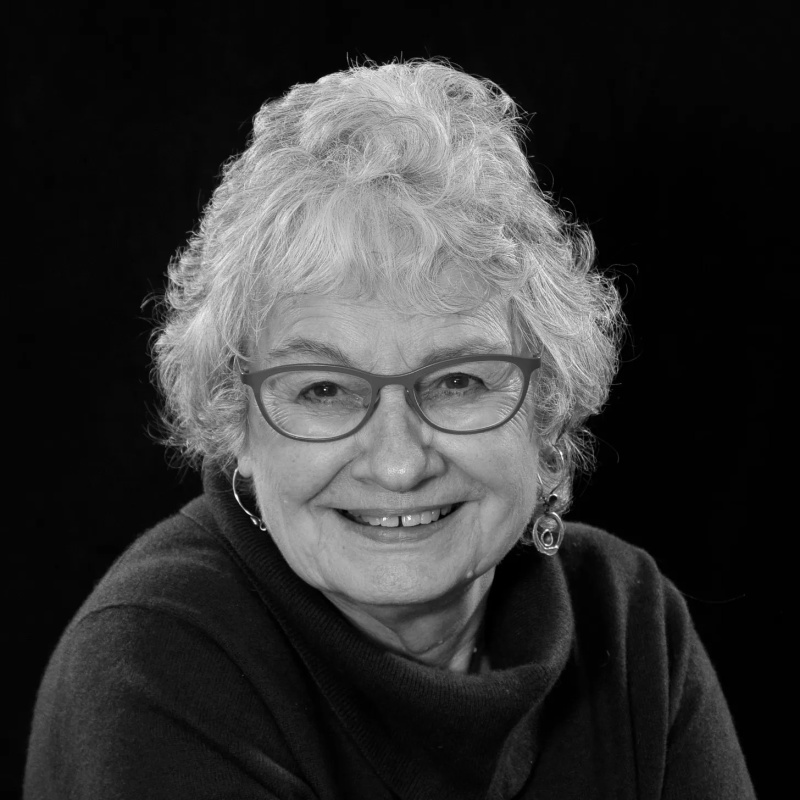 Fay Martin never wanted to write a memoir. “I thought, ‘Oh that’s what famous people [write] and all they do is drop a bunch of names,’” she says.
Since her husband Michael’s death in 2020, she had, however, been thinking about writing something; perhaps an account of their lives together, a pair of trailblazing social workers and activists who worked closely with under-resourced Indigenous communities, kids in the child welfare system and unhoused people. At one point, the pair was surveilled by the RCMP for their work, Martin believes. “We had a complicated life,” she says. “We were working in the underbelly at a time when we didn’t acknowledge there was an underbelly.”
But Martin was daunted by the amount of research a book about her work and its sociopolitical context would involve, and she had a nagging feeling that wasn’t the story she was supposed to tell—at least not yet. A non-credit memoir writing course with King’s MFA mentor Cooper Lee Bombardier in 2021 solidified her decision to shift gears. He encouraged her to dig deeper into her own story of being Michael’s caregiver in the years leading up to his death: a story of love, duty, and ultimately, resilience.
Bombardier’s course taught Martin that in a memoir “You have to say the unsayable,” she reflects. “So I thought, ‘Okay, what do I want to say the unsayable about?’ The whole thing about how caregiving is so hidden, and so misunderstood.”
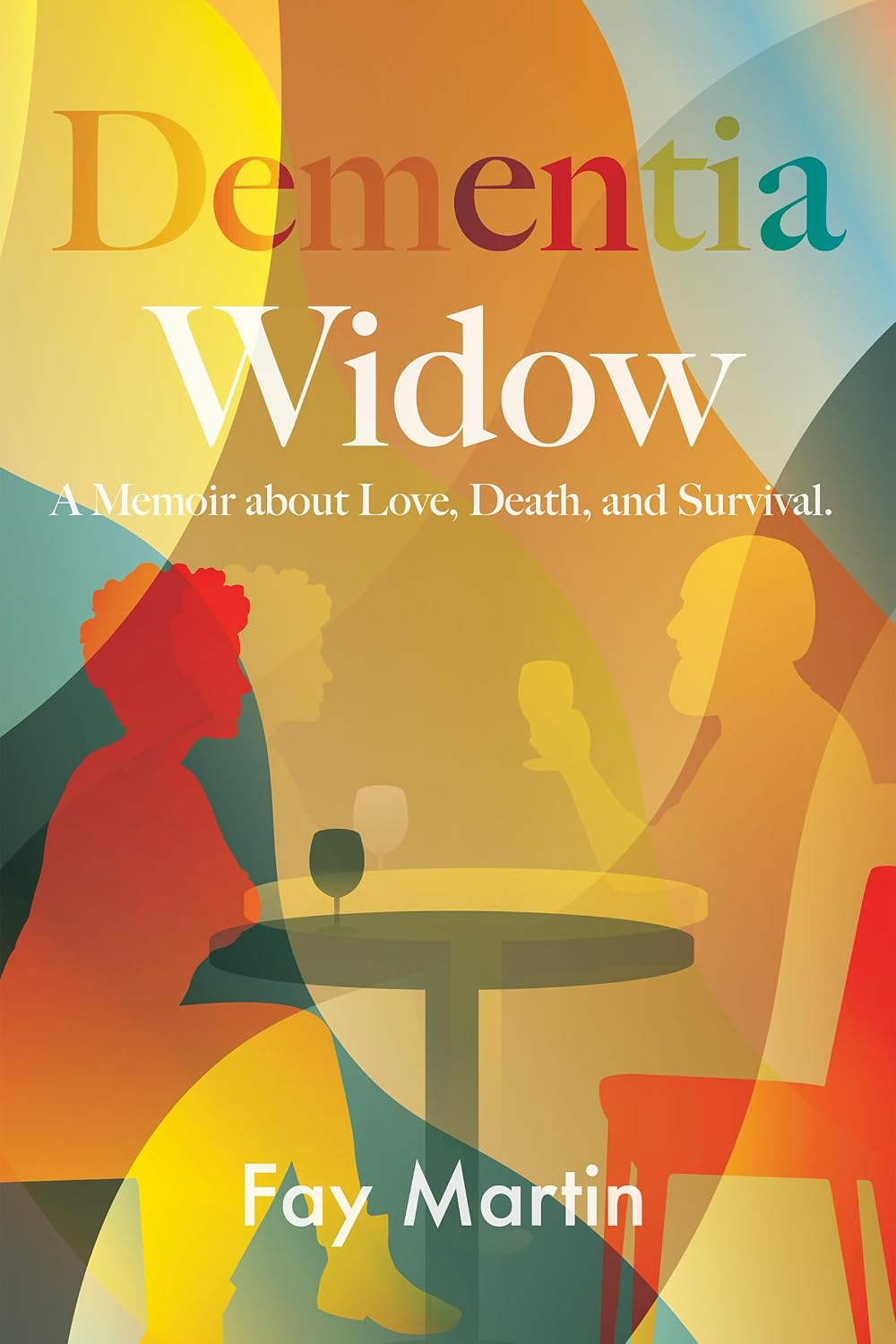 In some ways, it’s the same book she had originally envisioned, just “in a different outfit.”
The Dementia Widow, which she published earlier this year with Iguana Books—a hybrid publisher that publishes ebooks and on-demand editions—details her experience as a caregiver for Michael from the time of his dementia onset in his 50s, until his death 15 years later. Martin recalls the moment she acknowledged some of Michael’s puzzling personality changes were likely linked to dementia, a jarring change from someone she had long considered to have been an equal partner in both love and work.
“When I figured out it was dementia, I thought ‘Okay, you’ve got a choice. Either you chuck him now so that he can make other alternatives, or you tuck in and do it right.’ But that’s not as a wife and as a partner, that’s as a caregiver. So that’s where the dementia widow comes from… the man you married is gone… and to be a caregiver is a very different role than being—at least my version of—a wife.”
Shortly after taking Bombardier’s workshop, Martin enrolled in the King’s MFA in Creative Nonfiction program, where she worked with mentors David Hayes and Ken McGoogan, who she says took an egalitarian and supportive approach to mentorship that was never authoritative, despite their significant experience. They, along with her mentor group members, who Martin says were “bright” and “not afraid to be themselves, no-holds-barred,” helped shape her manuscript.
Despite the heavy subject matter, Martin was determined to bring a sense of levity and warmth to her story. She was particularly validated when one reviewer on Goodreads wrote that she was “pleasantly surprised” by Martin’s book and even found herself laughing throughout.
“I wanted to show what it was, [as much as] what it wasn’t, because it wasn’t horrible,” Martin says of her experience as Michael’s caregiver. “It was hard work, but it was never horrible, including his death. He had a good death.”
Eager to share her story with the world, and have creative control over her words, Martin opted to self-publish her memoir with Iguana, who helped with cover design and editorial support. At age 83, she wasn’t sure she wanted to wait around for the traditional publishing industry to notice her.
“My conversation with myself was, when had I ever waited for permission to do something I wanted to do? And the answer was never.”
Self-publishing has required Martin to organize and host her own promotional events for the book, an exhausting job at times, but one she feels uniquely qualified for given her background in advocacy, public speaking and community organizing. Broadening the conversation around the caregiving experience is important to Martin, and so far, she feels the book is a natural tool to bring that conversation to light.
“The feedback I’ve been getting just keeps feeding that whole discussion and debate around caregiving, which is nothing but good,” she says.
This story was published in the latest edition of the MFA Scribbler, edited by Adelle Purdham, MFA’22.
The MFA Scribbler shares news about, from and for students, staff, alumni and friends of the University of King’s College Writing & Publishing Program. Read the June 2026 Newsletter.